
How Do You Play Sudoku?
Share:
Facebook
Twitter
Pinterest
LinkedIn
If you’ve ever looked at a Sudoku puzzle and felt intimidated by the grid of numbers, you’re not alone. Many people assume Sudoku is complicated or requires advanced math skills. The truth? Sudoku is actually simple to learn, requires no math beyond counting to nine, and anyone can start playing in just a few minutes.
Whether you’ve picked up your first Sudoku puzzle book or spotted a puzzle in a newspaper, this comprehensive guide will teach you everything you need to know to start solving Sudoku puzzles today.
What Is Sudoku?
Sudoku is a logic-based number puzzle that originated in Japan (though its roots trace back to 18th-century Switzerland and later France). The name “Sudoku” is short for “Suji wa dokushin ni kagiru,” which roughly translates to “the numbers must be single” or “the digits must occur only once.”
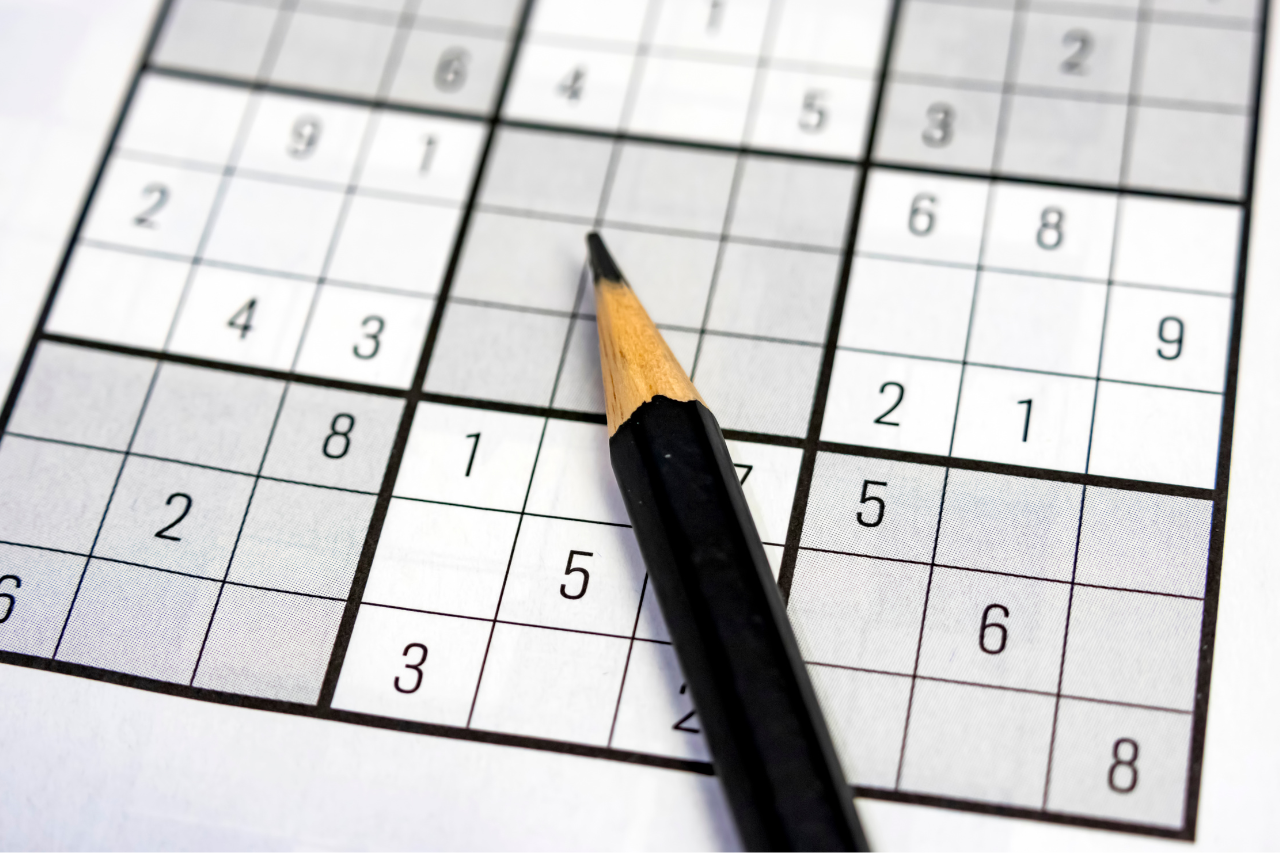
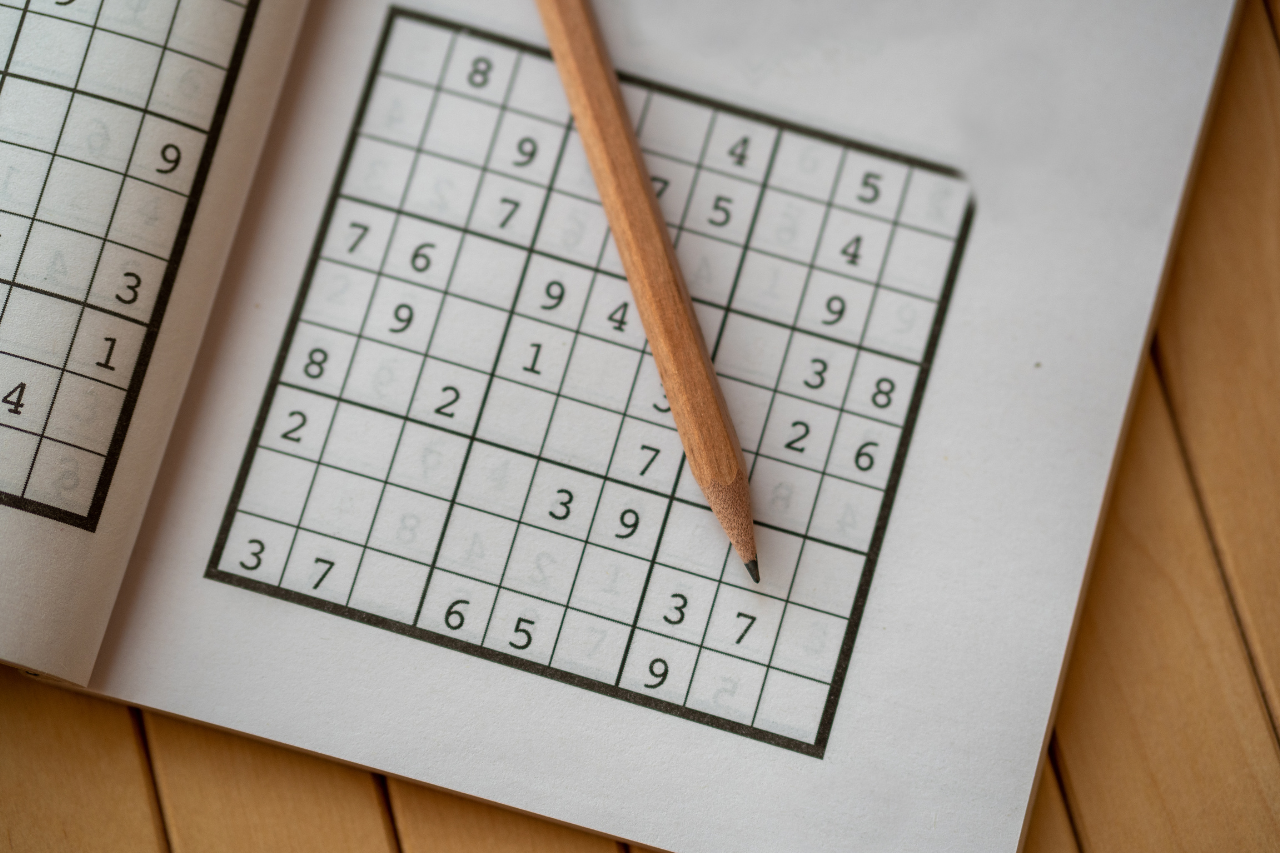
The standard Sudoku puzzle consists of a 9×9 grid divided into nine 3×3 boxes (also called regions, blocks, or squares). Some cells already contain numbers (these are called “givens” or “clues”), and your job is to fill in the empty cells using logic and deduction.
The Three Simple Rules of Sudoku
Despite how complex a Sudoku puzzle might look, the rules are remarkably straightforward. There are only three rules you need to remember:
Rule 1: Each row must contain the numbers 1 through 9, with no repetitions. Every horizontal line across the grid must have all nine digits exactly once.
Rule 2: Each column must contain the numbers 1 through 9, with no repetitions. Every vertical line down the grid must have all nine digits exactly once.
Rule 3: Each 3×3 box must contain the numbers 1 through 9, with no repetitions. Each of the nine smaller squares within the larger grid must have all nine digits exactly once.
That’s it! These three simple rules are the foundation of every Sudoku puzzle, from the easiest to the most challenging.
Understanding the Sudoku Grid
Before you start solving, let’s break down the structure of a Sudoku puzzle:
The Overall Grid
The complete puzzle is a 9×9 grid containing 81 cells total. Think of it as a large square divided into smaller sections.
Rows
There are nine horizontal rows, numbered from top to bottom. Each row contains nine cells.
Columns
There are nine vertical columns, numbered from left to right. Each column contains nine cells.
Boxes (or Blocks)
The grid is divided into nine 3×3 boxes. These boxes are arranged in three rows and three columns. Each box contains nine cells.
Cells
Each individual square in the grid is called a cell. Some cells contain given numbers (clues), while others are empty and need to be filled in.
Getting Started: Your First Sudoku Puzzle
Let’s walk through the basic process of solving a Sudoku puzzle step by step.
Step 1: Look for Easy Placements
Start by scanning the grid to find cells where only one number can fit. This happens when:
- A row is missing only one number
- A column is missing only one number
- A box is missing only one number
These are called “naked singles” or “sole candidates,” and they’re the easiest numbers to place.
Step 2: Use the Process of Elimination
For any empty cell, look at its row, column, and box to see which numbers already appear. The number you place must not duplicate any number in that cell’s row, column, or box.
For example, if you’re looking at an empty cell and its row already contains 1, 3, 5, 7, and 9, and its column contains 2, 4, and 6, that cell can only be an 8 (since 8 is the only number from 1-9 that doesn’t appear in either line).
Step 3: Work Systematically
Don’t jump randomly around the grid. Work methodically through rows, columns, or boxes. This systematic approach helps you spot patterns and avoid missing easy placements.
Step 4: Use Pencil Marks (Candidates)
When you can’t immediately place a number, make small “pencil marks” in the corner of cells showing which numbers are possible. These are called candidates. As you place more numbers, you can eliminate candidates, eventually leaving only one possible number for each cell.
Step 5: Keep Going Until Complete
Continue finding numbers through logic and elimination until every cell is filled. A correctly solved Sudoku puzzle will have no empty cells and will follow all three rules perfectly.
Basic Sudoku Solving Techniques
As you gain experience, you’ll naturally develop techniques for finding numbers more efficiently. Here are the fundamental methods every Sudoku player should know:
Scanning
Scanning means looking across rows, down columns, and through boxes to see which numbers are missing. This is your primary tool for finding easy placements.
Row/Column Scanning: Check each row and column for numbers that appear frequently. If a number appears in eight positions, finding the ninth location is usually straightforward.
Box Scanning: Look at each 3×3 box to see which numbers are missing, then determine where those numbers must go based on the rows and columns.
Cross-Hatching
Cross-hatching combines row and column scanning. If a number appears in two rows of a particular band (a set of three horizontal boxes), you can often determine where that number must go in the third row.
Similarly, if a number appears in two columns of a stack (a set of three vertical boxes), you can deduce its position in the third column.
Single Position (Hidden Singles)
Sometimes a number can only go in one position within a row, column, or box—not because other cells are filled, but because those cells already have that number in their corresponding rows or columns. Spotting these “hidden singles” is crucial for progressing through medium and hard puzzles.
Naked Pairs and Triples
When two cells in the same row, column, or box can only contain the same two numbers, those numbers can be eliminated from all other cells in that region. This is called a “naked pair.”
The same principle applies to three cells that can only contain the same three numbers—this is a “naked triple.”
Common Mistakes Beginners Make
Avoid these pitfalls to improve your Sudoku solving success:
Guessing Instead of Using Logic
The biggest mistake beginners make is guessing when they’re stuck. True Sudoku solving never requires guessing. Every puzzle has a logical solution that can be found through deduction. If you’re tempted to guess, step back and look for a technique you might have missed.
Forgetting to Check All Three Constraints
Remember that every number must satisfy three conditions: it can’t duplicate numbers in its row, its column, OR its box. Beginners often check only one or two of these constraints and place numbers incorrectly.
Working Too Fast
Speed comes with practice. When starting out, take your time and double-check each number you place. One early mistake can make the entire puzzle unsolvable.
Not Using Pencil Marks
Many beginners try to solve puzzles without making notes, relying on memory alone. This works for very easy puzzles but becomes nearly impossible as difficulty increases. Don’t be afraid to use pencil marks—they’re an essential tool.
Giving Up Too Early
Sudoku requires patience. Sometimes you’ll feel stuck, but persistence pays off. Take a break, return with fresh eyes, and you’ll often spot something you missed.
Choosing Your First Sudoku Puzzle
Not all Sudoku puzzles are created equal. They come in various difficulty levels:
Easy Sudoku Puzzles
Easy puzzles have more given numbers (typically 35-45 clues) and can be solved using basic scanning and elimination techniques. These are perfect for beginners learning how to play Sudoku. Most easy puzzles can be completed in 10-20 minutes once you understand the basics.
Medium Sudoku Puzzles
Medium difficulty puzzles have fewer clues (typically 30-35) and require some intermediate techniques like hidden singles and basic pencil marking. These are ideal once you’ve mastered easy puzzles and want more challenge.
Hard and Expert Sudoku Puzzles
Hard puzzles have even fewer givens and require advanced techniques like naked pairs, X-wing, and swordfish patterns. Save these for when you’ve built up your skills and confidence.
Recommendation for Beginners: Start with a Sudoku puzzle book labeled “easy” or “beginner.” Complete at least 10-20 puzzles at this level before moving to medium difficulty. Building a strong foundation makes learning much more enjoyable.
Tools You Need to Play Sudoku
One of Sudoku’s advantages is that you need very little to get started:
Pencil and Eraser
Use a pencil, not a pen, especially when learning. Mistakes happen, and being able to erase and try again is crucial. A good eraser is equally important—you’ll use it often at first.
Sudoku Puzzle Book or Printouts
Invest in a quality Sudoku puzzle book with clearly printed grids and progressive difficulty levels. Books are better than newspaper puzzles for beginners because they typically include solutions, allowing you to check your work and learn from mistakes.
Quiet Space and Good Lighting
Sudoku requires concentration, especially when you’re learning. Find a quiet spot with good lighting where you can focus without distractions.
Optional: Timer
Once you’re comfortable with the basics, timing yourself can be motivating and helps track your improvement. However, don’t time yourself when first learning—focus on accuracy, not speed.
Digital vs. Paper Sudoku: Which Is Better for Learning?
Both have advantages, but for learning how to play Sudoku, paper often works better:
Advantages of Paper Sudoku:
- Better for developing logical thinking without hints
- Easier to make pencil marks and notes
- No temptation to use auto-check features that prevent learning
- More satisfying tactile experience
- Better for focus and concentration
Advantages of Digital Sudoku:
- Immediate feedback on mistakes
- Automatic pencil marking features
- Unlimited puzzles available
- Hints available when truly stuck
- Convenient for playing anywhere
Best Approach: Start with paper Sudoku puzzle books to build solid fundamentals, then supplement with digital puzzles for convenience and variety.
Developing Your Sudoku Strategy
As you solve more puzzles, you’ll develop your own approach. Here’s a proven strategy that works for most players:
1. Quick Scan (2-3 minutes): Rapidly scan the entire puzzle looking for easy placements—cells with only one possible number.
2. Systematic Row/Column Check (5-10 minutes): Work through each row and column methodically, using elimination to place numbers.
3. Box Analysis (5-10 minutes): Focus on each 3×3 box, determining which numbers are missing and where they can go.
4. Pencil Mark Phase (as needed): If progress slows, start adding candidates to empty cells.
5. Advanced Technique Application (as needed): For harder puzzles, apply techniques like naked pairs and hidden singles.
6. Final Check: Before declaring victory, verify that every row, column, and box contains 1-9 with no repeats.
Tips for Faster Improvement
Want to get better at Sudoku quickly? Follow these proven tips:
Practice Consistently
Solving one puzzle daily builds skills faster than solving five puzzles once a week. Consistency matters more than volume. Make Sudoku part of your daily routine—perhaps with morning coffee or before bed.
Solve Puzzles Slightly Above Your Comfort Level
Always challenge yourself just beyond your current ability. If easy puzzles feel too simple, move to medium difficulty even if they take longer. This accelerated learning approach builds skills faster.
Study Your Mistakes
When you make an error (and you will), don’t just erase it and move on. Figure out why you made the mistake and what led you to the wrong number. Learning from errors is crucial for improvement.
Learn One New Technique at a Time
Don’t try to master all advanced Sudoku techniques simultaneously. Focus on one new strategy, practice it until it’s comfortable, then add another. Build your skills progressively.
Join a Sudoku Community
Online forums, social media groups, and local puzzle clubs provide opportunities to learn from experienced players, discover new techniques, and stay motivated.
What to Do When You’re Stuck
Even experienced players get stuck sometimes. Here’s what to do:
Take a Break: Step away for 15-30 minutes. You’ll often see something you missed when you return with fresh eyes.
Start Fresh with Scanning: Go back to basics. Systematically scan every row, column, and box again. You may have overlooked an easy placement.
Check for Mistakes: Verify that all currently placed numbers follow the rules. One early error can make the puzzle impossible.
Add More Pencil Marks: Fill in candidates for more cells. Sometimes seeing all possibilities makes the solution obvious.
Try a Different Area: If you’ve been focusing on one section, shift to a completely different part of the grid.
Beyond Basic Sudoku: Variations to Explore
Once you’re comfortable with standard Sudoku, numerous variations offer fresh challenges:
Killer Sudoku: Combines Sudoku rules with cages that must sum to specific numbers.
Samurai Sudoku: Five overlapping Sudoku grids that must be solved together.
Irregular Sudoku (Jigsaw Sudoku): Features non-square regions instead of standard 3×3 boxes.
Greater Than Sudoku: Includes inequality symbols showing relationships between adjacent cells.
Diagonal Sudoku (Sudoku X): Adds the constraint that both main diagonals must also contain 1-9.
Each variation develops different aspects of logical thinking while maintaining the core appeal of Sudoku.
The Benefits of Learning to Play Sudoku
Learning Sudoku offers benefits beyond entertainment:
- Mental Exercise: Keeps your brain active and engaged
- Improved Concentration: Builds focus and attention span
- Better Problem-Solving: Develops logical reasoning skills applicable to many life situations
- Stress Relief: Provides a calming, meditative activity
- Sense of Achievement: Completing puzzles delivers satisfying dopamine rewards
- Portable Entertainment: Perfect for travel, waiting rooms, or quiet time
Conclusion: You’re Ready to Start Playing
You now know everything you need to start playing Sudoku. The rules are simple: fill the 9×9 grid so each row, column, and 3×3 box contains the numbers 1 through 9 with no repetitions. Use logic, not guessing. Be patient and systematic.
Remember that everyone starts as a beginner. Your first puzzles might take 30-45 minutes or longer—that’s completely normal. With practice, you’ll solve puzzles faster and tackle increasingly difficult challenges.
The best way to learn Sudoku is simply to start solving. Pick up a Sudoku puzzle book at the easy level, grab a pencil and eraser, find a quiet spot, and begin. You’ll make mistakes, you’ll feel stuck sometimes, but you’ll also experience those wonderful “aha!” moments when a number suddenly clicks into place.
Sudoku is a journey of logical discovery, and every puzzle you solve makes you a better player. So stop wondering how to play Sudoku and start experiencing the satisfaction of solving your first puzzle. Your brain will thank you for it!
Ready to begin your Sudoku journey? Grab a beginner Sudoku puzzle book today and discover why millions of people worldwide have fallen in love with this elegant logic puzzle!
Most Popular
Get The Latest Updates
Subscribe To Our Weekly Newsletter
No spam, notifications only about new products, updates.
Categories
On Key
Related Posts
What is the Hidden Rule in Sudoku?
Share: If you’ve been solving Sudoku puzzles for a while, you’ve probably mastered the basic rules: fill each row, column, and 3×3 box with the
The Science Behind Sudoku: Why This Puzzle Boosts Children’s Brain Power
Share: As a parent or educator, you’re constantly seeking activities that entertain children while developing their cognitive abilities. Sudoku—those number grids you might associate with
How to Solve Crossword Puzzles for Beginners: A Complete Step-by-Step Guide
Share: How to Solve Crossword Puzzles for Beginners: A Complete Step-by-Step Guide Staring at a blank crossword puzzle can feel intimidating. All those empty squares,
Crossword Puzzle Tips and Tricks: Expert Strategies to Solve Faster and Smarter
Share: Crossword Puzzle Tips and Tricks: Expert Strategies to Solve Faster and Smarter You’ve mastered the basics of crossword puzzles, but now you’re ready to